Clubs & Organisations
Welcome to our local and regional sport organisations, clubs and recreation providers. Thanks for all you do to help keep the people of Bay of Plenty active.
It’s not just about sport. It’s about creating environments for human connection and improved mental health. Providing our locals with a place to unwind and push themselves. For you, it’s about creating active offerings people want to engage with and come back again and again, so you organisation or club has a sustainable future.
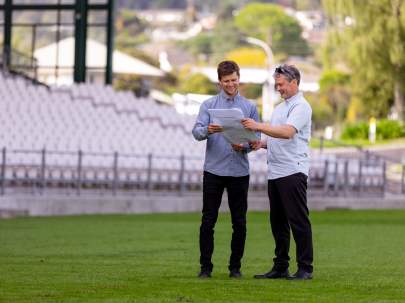
Need a hand to deliver sport? We’re here to help you be a more efficient and effective sport organisation or club. Here’s a few ways we can assist:
- Governance, strategic planning and funding
- Capability building and best practice for committees, staff and volunteers
- Advocacy, advice, project and facility development
- User group facilitation
- Act as a support between clubs and council.
Sport Bay of Plenty work to create a highly collaborative, capable and functioning physical activity system. This page is here to help your organisation or club, and provide information, resources and support.
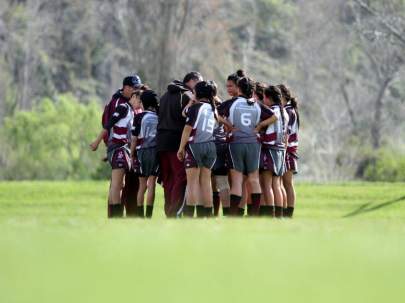
Clubs play a vital role in helping teenage girls feel confident, welcome, and inspired to stay involved in sport. The Coaching Teen Girls Booklet has been developed to support clubs and their coaches by providing practical information about the changes girls experience during adolescence and how these changes can affect their sporting journey.
Puberty can influence coordination, energy levels, and self-esteem, which may impact how girls engage with sport. By understanding these shifts, clubs can foster environments that are inclusive, empathetic, and empowering. This resource helps clubs build a culture where girls feel supported, understood, and more likely to stay active and involved for longer.
Learn more: The Coaching Teen Girls Booklet,
Some other helpful resources and information below:
- Conversation Starters for Coaches of Teen Girls
- Sport New Zealand's Women and Girls Action Plan and Roadmap to 2024.
- Women in Sport Aotearoa have provided case studies, and an interactive platform providing ideas on leadership, voice and visibility, participation and youth.
- Research indicates that young women recognise the importance of physical activity for their overall wellbeing and are eager to engage more. Here are some recommendations for sports and active recreation providers to keep in mind when creating, developing, and implementing programs for teenage girls.
- Balanced Female Health is a new resource for adults supporting young people in community sport.
- Sport NZ has developed guiding principles for the inclusion of transgender people in community sport.
- Sport Stereotypes And Stolen Dream - Women In Sport UK (2023).
- Menstruation and Rainbow Inclusive Practices by Education Outdoors New Zealand.
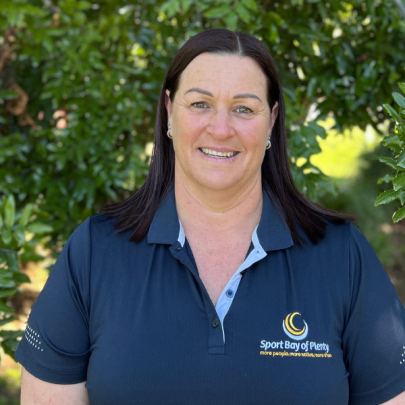
Luuka Jones
Young Women and Girls Lead
021 459 126
Creating Positive Sport Environments
Positive Vibes Only - Me Pai Te Wairua

We know that the top reasons young people play sport (hākinkina) are to have fun, be with their friends, develop and learn new skills.
We also know that when coaches, officials and volunteers feel supported and valued, they are more likely to stay involved.
By asking everyone involved in hākinakina to commit to Positive Vibes Only - Me Pai Te Wairua, we set a clear standard for respectful, positive behaviour in youth sport.
Me Pai Te Wairua -Positive Vibes Only is about creating environments that are enjoyable for all, whether you are a player, coach, whānau, referee, administrator or supporter.

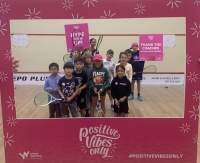
OUR KEY MESSAGES: POSITIVE VIBES ONLY
Positive sporting environments are built through simple, intentional actions from everyone involved. These eight key messages set clear expectations for how we support young people, coaches, referees, volunteers and each other.
Our Me Pai Te Wairua - Positive Vibes Only messages are:
Refereeing isn’t easy – officiating is a challenging role that requires quick decisions under pressure, often from volunteers or young people.
Remember referees are doing their best - mistakes are part of sport, but respect and understanding help keep officials confident and willing to stay involved.
Let them enjoy the game – when adults reduce pressure and instruction, young people are free to play, learn and have fun.
We are all on the same team – players, whānau, coaches, referees and volunteers all share the goal of a positive sporting experience.
Support and encourage both teams – recognising effort, sportsmanship and good play from everyone creates a safer and more enjoyable environment.
Let the coach do the coaching – clear roles reduce confusion for players and allow supporters to focus on encouragement rather than instruction.
Keep the vibes positive in the car ride home – focusing on effort and enjoyment rather than mistakes helps young people build confidence and stay engaged.
Winning happens everywhere – success in youth sport is measured by learning, effort, teamwork and enjoyment, not just the scoreline.
Together, these messages help turn Positive Vibes Only - Me Pai Te Wairua from words into everyday actions.
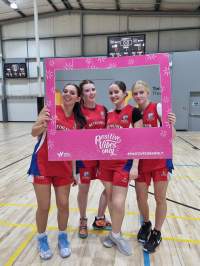
How Will You Bring Positive Vibes Only This Season?
Explore simple, practical tips for;
Coaches
Whānau
Supporters